People with autism who harm themselves are more than 30 times as likely as the general population to commit suicide. The risk is especially pronounced amongst girls and women on the spectrum. The unpublished findings are based on data from more than 49,000 people with autism and 2.3 million controls in Sweden. Researchers presented the results at the 2019 International Society for Autism Research meeting in Montreal. People with autism are known to be at heightened risk of premature death and suicide. Stark began to wonder if self-harming may play a role after she noticed the persistant behaviour in many of her autistic clients.
She and her colleagues identified people with autism aged 10 to 32 years in Sweden’s national and regional patient registries, which include diagnostic information from all psychiatric and hospital visits. They found 2,953 autistic people and 30,328 controls who had been hospitalised for self-inflicted harm.
Reading the news article on Collette McCulloch from the Mail online brought many memories of my own life. Collette was 35 years old when she had been run over and killed walking along the A1 dual carriageway at 3am, whilst in the care of a mental health clinic. I had heard this type of story many times with a high number of our prisoners being left not being understood by the medical system.
But this was a woman, like myself, who came from a good family and was cared for and loved, but she still did not get the right help. Collette was diagnosed with Autism Spectrum Disorder (ASD) just two years earlier. Her teenage years were hectic. During her 20s and without a diagnosis, she did not want to live at home, and she had twice started but did not complete an English literature degree. She showed brilliance in her work but the demands of independent living, making deadlines and managing money all became impossible for her. She struggled to make and keep friendships though she craved love and connection. By her late 20s she became highly anxious, she was drinking too much and spent time in addiction clinics where she met a stream of unsuitable men, some dangerous and very abusive. Because of her ASD she had a poor judge of risk. One man even injected her with heroin.
In fact, according to a 2005 study at Stanford University, autistic girls exhibit less repetitive and restricted behavior than boys do. The study also found brain differences between autistic boys and girls help explain this discrepancy.
Wendy Nash, MD, a child and adolescent psychiatrist at the Child Mind Institute, adds that girls are more likely to control their behavior in public, so teachers are unable to monitor differences. “A lot of autistic girls get ruled out because they may share a smile or may have better eye contact or they’re more socially motivated. It can be a more subtle presentation,” Dr. Nash explains. She adds, “If girls are socially interested, but odd, which is the case with the majority of these girls, then I think people will give them a pass.”
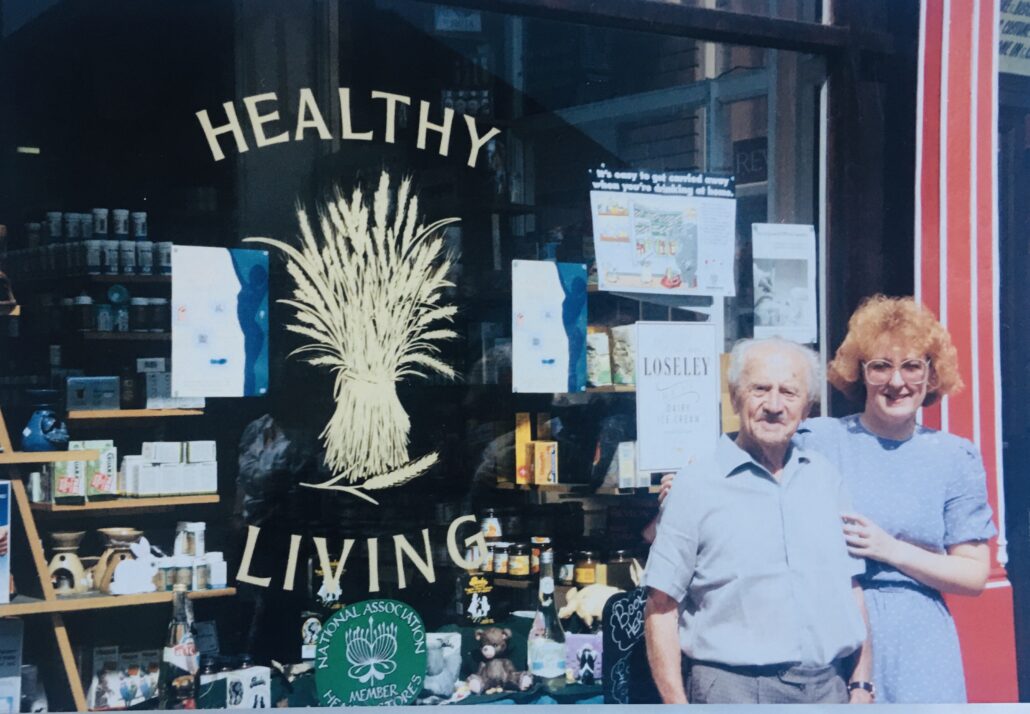
For me this never happened in my 20s this happened in my teens, I had very low – self-worth, and I was less mature than my peers, with self-harming and eating disorders. I was crying out for help, I got married hoping that he could help me. My marriage didn’t last very long but it gave me two beautiful children who I believed kept me as stable as possible. This is where I started to become an entrepreneur running ironing parlours, sandwich rounds, health food shops, importing and producing health foods for people with allergies, all leading to my prison projects.
As a young girl I looked older than my age at 13 years I was passing for 19 years. I was also seeing a clinical psychiatrist but still they never understood what was wrong with me. I was going into clubs, pubs and night clubs. My boyfriends were always much older than me.
I left home at 16 years of age and moved in with a drug dealer. My poor parents were frantic, they were going on their first holiday with my sister, and I didn’t want to go with them. My parents had a will written up by a solicitor to protect any money from being taken by my boyfriend and leaving me destitute.
By the age of 17, I had changed jobs so many times from being an office junior, to working with bar staff in clubs and pubs, and retail for clothes and shoes. Life was just one great laugh never taking myself seriously, always on the run and having fun. By the time I was 18 I was working in a night club where I met a soldier who was on leave from Berlin. Within 8 weeks I was at the airport awaiting my flight, my dear parents were frantic they had asked an old boyfriend to stop me from going. He told them that he knew he could never stop me doing anything. He said that I would never look back or wave. I was always looking for the next avenger.
By 19 I was married. As an Army wife I loved it. I found I could support the wives and young soldiers who had gone AWOL. I had found where I needed to be!
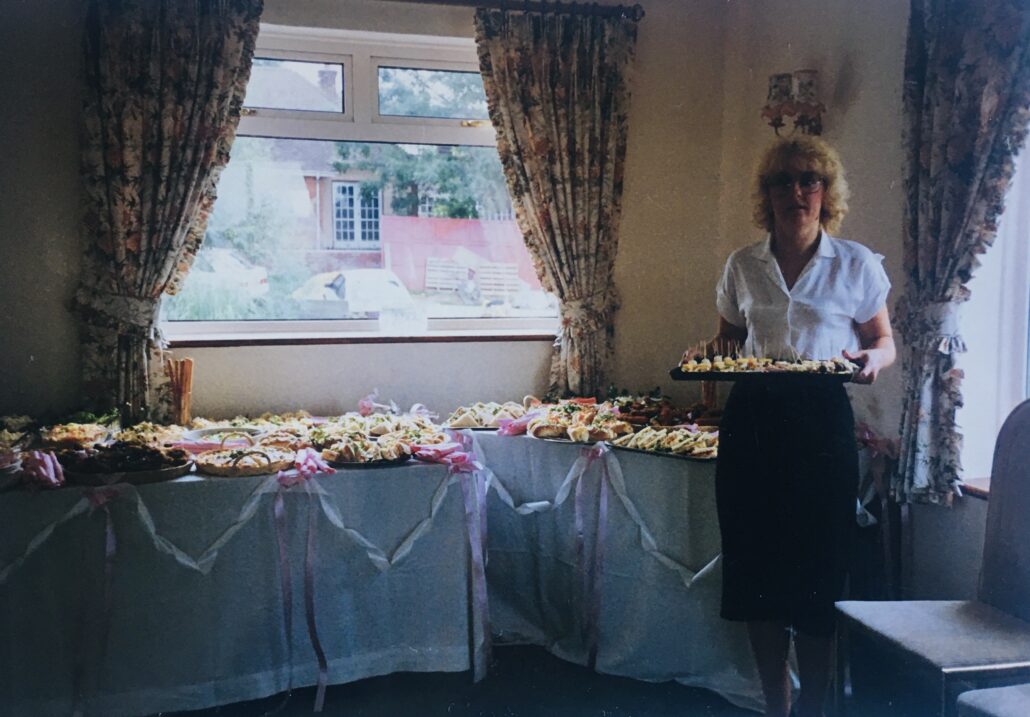
By 27 I was divorced with two young children and moved back to be near my parents. I had to wait until I was 40 when I began to understand about neurodiversity and why I was like I was. Again, I was lucky to have so many people who believed in me. I had not taken the path of being medicated, I tried to work with my own techniques, such as hypnotherapy and counselling. I worked on nutrition, using essential amino acid vitamins and minerals and omega 3/6 fatty acids which were also lacking from my diet.
Just before lockdown I took the decision to move in with my mum. Our relationship over the years has been very strained, clashing at most conversations. She said that we could never agree that if she said it was black, I would say it was white. Over the years I have spent the time trying to understand myself, but the last 16 months I have enjoyed getting to know my mum.
I feel so sad that Collette never got the chance to understand herself or her relationship with her family who loved her so deeply. Please read the book ‘Why Can’t You Hear Me’? written by her parents Andy and Amanda. It shows multiple ways how Collette was failed by the system.