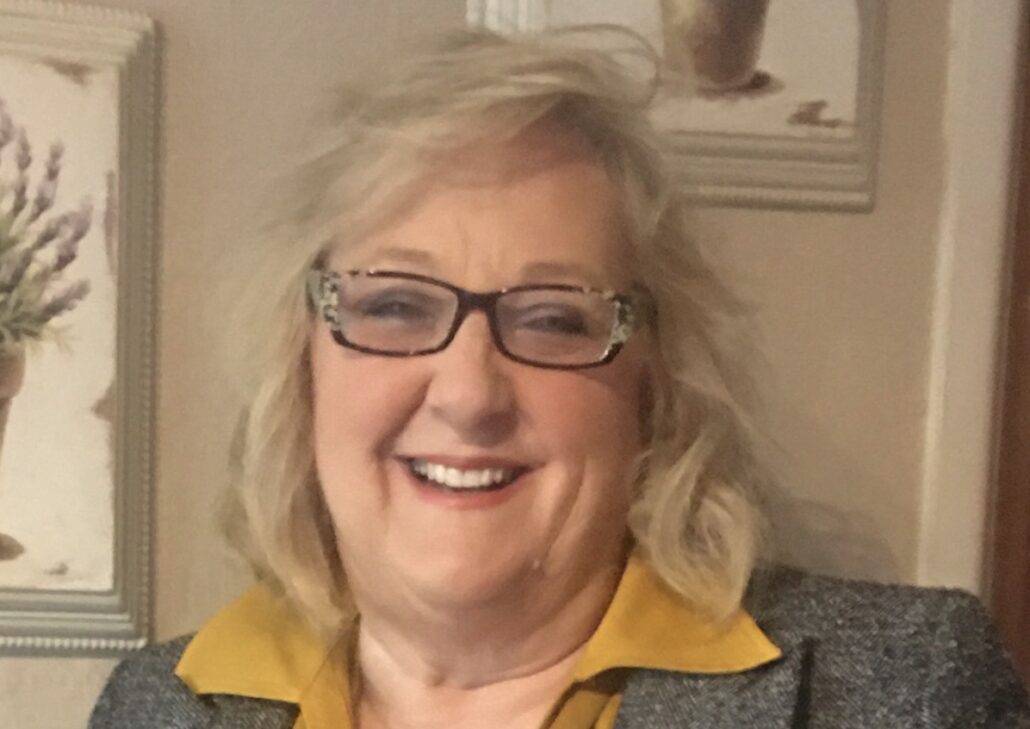
Why do so few companies understand neurodiversity?
Why is it that the only companies who understand neurodiversity features and appreciate the value of having a brain like mine are MI5 or GCHQ? After attending several interviews, I have come to realise that many employers do not have full understanding of neurodiversity when interviewing prospective employees and many opportunities are lost for both employers and employees.
In the last 20 years my experience of interviews has been amazing. I would attend a meeting and before the meeting was over, I would be headhunted for the start of a new project often without being given a job description. So now for the first time I am having to experience the joy, stress and frustrations of attending an interview only to find that in many cases the successful candidates have already been chosen.
My last employment was with Shine TV. Within a week I was working in Camden after being seen by a producer of another program. He had put me forward for the role of on-offscreen literacy and dyslexic expert and care supporter until the program was aired which ended in April 2020.
We were now in lockdown and funding for our Charity was hard to find. Everyone who were donating to us each month had now lost their jobs too. I took the decision to sign on for jobseekers’ allowance, after so many weeks without work. I was then advised by the Citizens Advice Bureau to apply for Universal Credit.
I was allocated a personal advisor with whom I was to correspond in writing to inform them of the jobs I was applying for and take part in fortnightly meetings to discuss issues with job searching.
I had joined many job sites, looking for jobs within care homes, specials schools, training providers, colleges, and the council. My second thought was to set up a Social Enterprise company. After speaking to an advisor, I began to realise that as a charity our services would be expected to be delivered for free. I then understood the logic of how people thought and why so many people were seeking my help.
I worked on two sides of employment both employed and self-employed. I was networking with producers after my TV debut, and I was working with ghostwriters to help tell my stories. I felt it was the only way to help the 30,000 people who had contacted me by text or email.
I had sent my CV and cover letter to Karma Well-Being Care Ltd and within 10 minutes I received a phone call from the manager. She remarked how my CV and cover letter was the best that she’d ever seen, but my qualifications did not fit their particular job requirements as my specialism was in the special units and prisons. All my training had been with OFSTED, and I would have been required to take the Care Quality Commission (CQC) which costs about £1,500.
I would have to be on the front line for 2 years before I could become a manager of one of their places.
My next interview was with the council for a Skills Commissioner. I was excited to have my first virtual interview. I had watched their videos online showing the change in the council and how they were looking for new ideas with the challenges that they were facing after the lockdown. The world of work has changed dramatically in the last 20 months and demand for re-skilling from workers and employers is ever increasing. The role required fast-pace, innovative thinking and being able to provide challenges in change management, project management and customer relationship building. This is about getting people back into work quickly but also building a skills base. I was confident that I would fit the criteria for this. I had also found some background on two of the interviewers, one who had been in the post for 20 years and other 1 year.
I had logged on to join the interview. The interviewers opened the meeting with how they were really impressed with my projects, and how I had taken on and understood the issues and challenges that I had faced within the prison system. I asked them the same question, they explained that if they wanted to introduce a new subject into one of the courses such as a welding course they would first speak with the provider, then cost the course and then write a report.
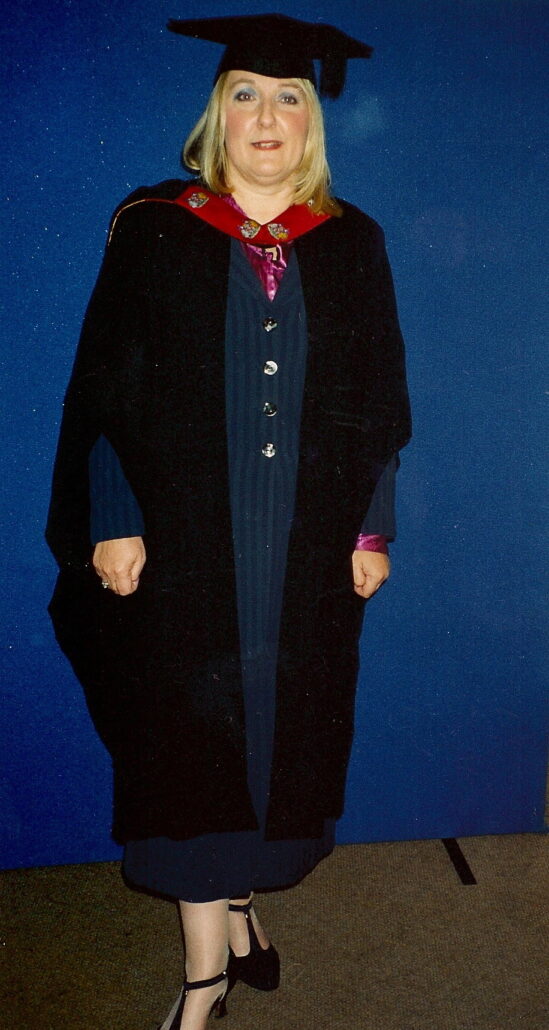
The interviewer with many years’ experience had recognised my neurodiversity and she explained that she felt that I should look at companies like MI5 or GCHQ, for they would understand the benefits of how my brain is processed. She also asked if they could share my interview with their staff as they had not had someone with such passion and knowledge. The whole interview showed me that I came from a different perspective on how I work. I see that my ideas and thoughts can change the workplace since the lockdown, but the management are not yet ready for the change.
My second interview was at a school, and this was to sell their concept and new software that they had been working on. In 2005 I was the first person to introduce Lexion software into prisons and training providers so I know that I have good sales technique and, as with the prison projects would also become very involved with the school and the children. As soon as my CV and cover were sent, I received feedback from one of the managers stating they had discussed my approach which was different from other applicants. I was to bring a lot more into this project and she explained that they were so keen for me to be a part of the school. It was gratifying to hear that people who had not previously known my work had now understood what I can do for them. The following week I had a phone call to say that they had now gone back to the old idea of working and were not yet ready for this new approach.
My third interview was coming up and I took the decision to have a rethink of my interview techniques. With the help of a colleague, we decided that I should take a back seat during the interview to allow the interviewer to lead the conversation and allow flexibility for questions and answers. Also, I must not be afraid to ask for clarification on any questions I did not understand.
I was to be the first interview of the day, they explained how the interview was to proceed with 4 questions of my skills and then three of my experiences. I was unsure of one of the safeguarding questions and I asked for clarification, taking my time to answer.
My questions that I asked were:
1. How many children had come through the care system and how was their behaviour being monitored? – 200 children were in their system
2. What methodology were they using to help the children with their assessments for special education needs?
I was told by the HR, who had listened in on my interview, that I shared some great responses working with good body language and intuition and how well I engage with different learners. My passion and empathy with these particular learners would have worked well within the college. A few days later I was informed that I was “unsuccessful on this occasion, although we feel you have the competence and ability to deliver in the role, the panel felt that there was a stronger candidate on the recruitment day closer aligned to the College needs”.
With this feedback I sent my weekly journal to my adviser at the job centre and she sent a message back to say “stay positive and this will come across in future interviews”. She spoke about the new Restart Scheme, that will give me 12 – 18 months of enhance tailored support. This starts this week, 13 October with my adviser from Reed.
With unemployment at a 30-year high, the world of work has changed dramatically in the last 18 months and demand for re-skilling from workers and employers is growing. Employment has changed 360° and yet so many companies are not embracing neurodiversity. They cannot understand that they can gain competitive advantages in many areas such as productivity, innovation, organisational culture and talent retention. We are an untapped pool of talent for your work environment!